 Server Resellers

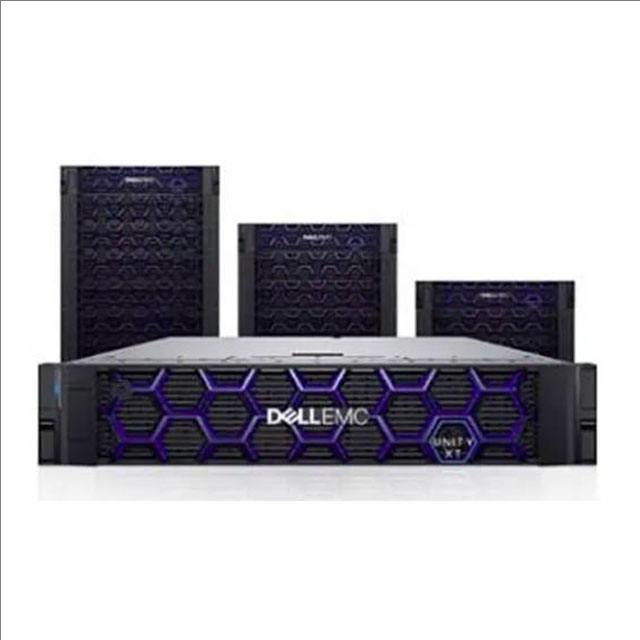
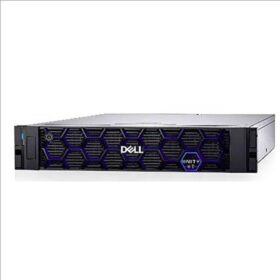
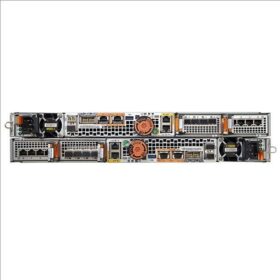
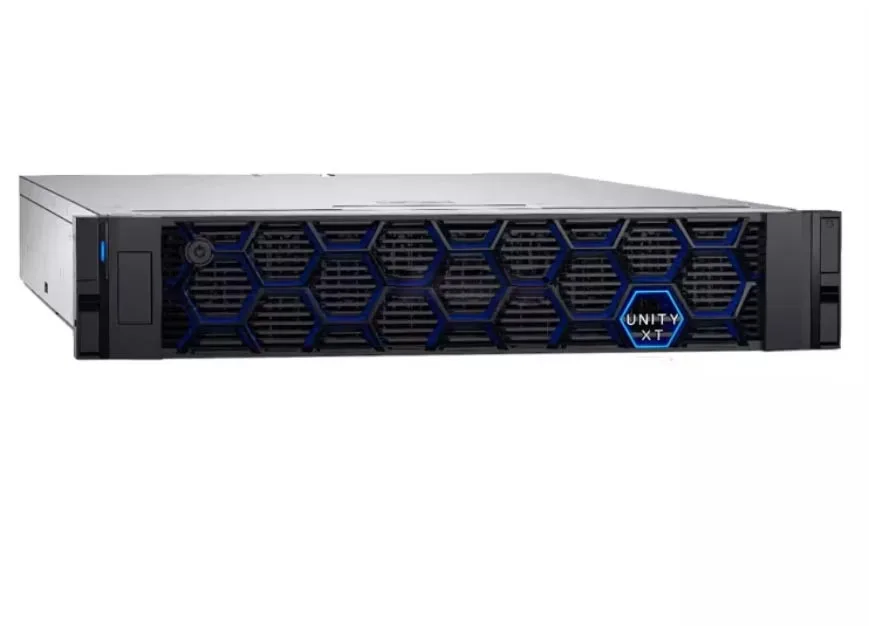
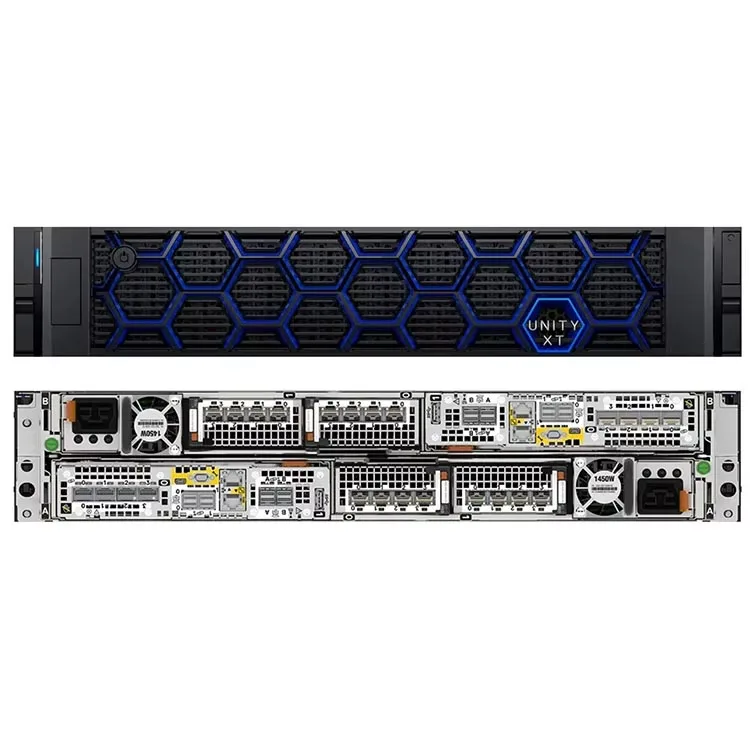
New EMC Unity XT480 network Storage Array Hybrid Flash Array UNITY XT HFA STORAGE unity xt 480 Server Storage
|
Model
|
Unity 480
|
|||
|
Min/Max Drive Count
|
Min. 6 SSDs or 10 HDDs / Max. 750
|
|||
|
CPU per Array
|
2 x dual-socket Intel CPUs, 32 cores per Array, 1.8GHz
|
|||
|
System Memory/Cache per Array
|
192 GB
|
|||
|
Max FAST Cache per Array
|
Up to 1.2 TBs
|
|||
|
Total Cache
|
Up to 1.39 TBs
|
|||
|
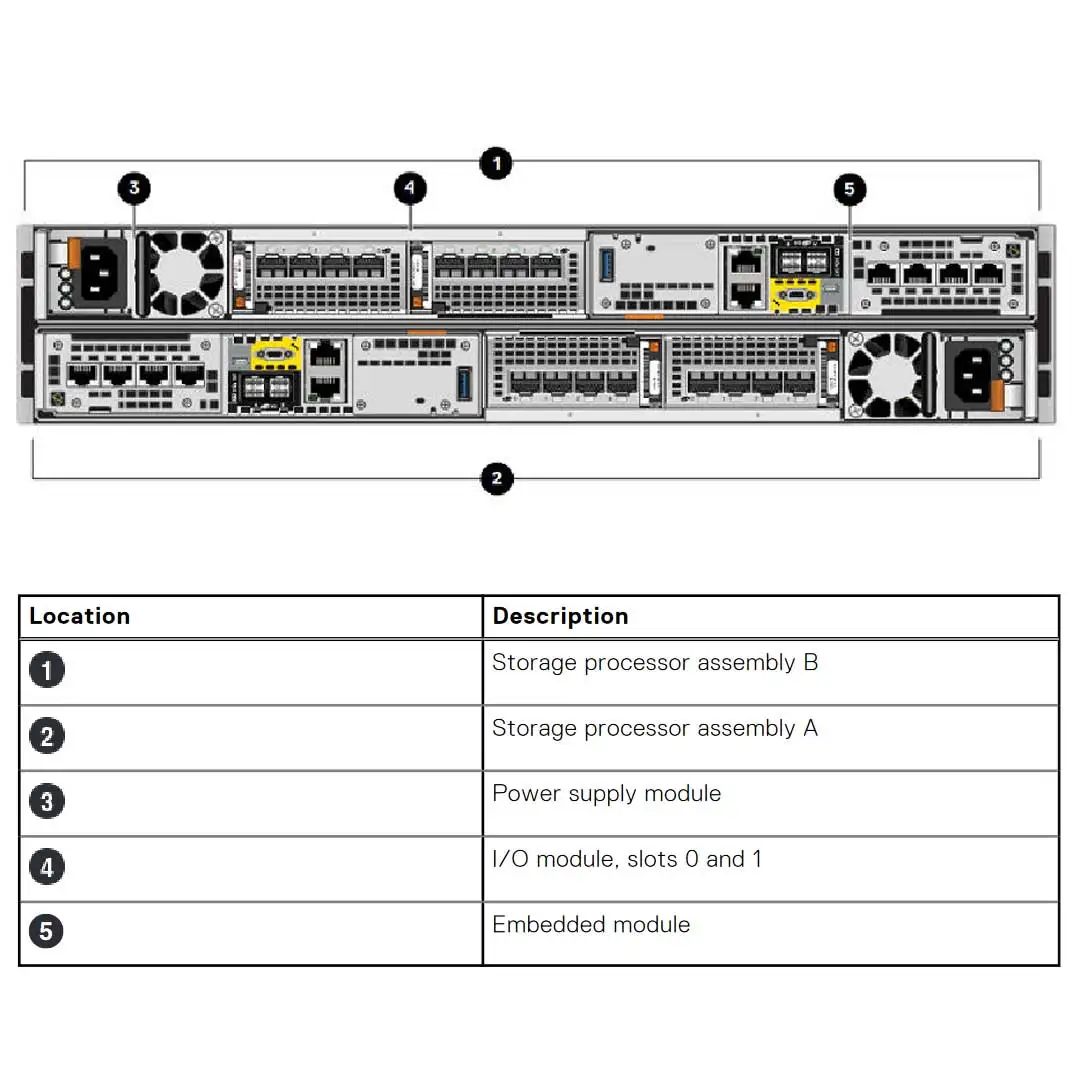
Max IO Modules per Array
|
4
|
|||
|
Embedded SAS IO Ports per Array
|
4 x 4 lane 12Gb/s SAS ports for BE Connection
|
|||
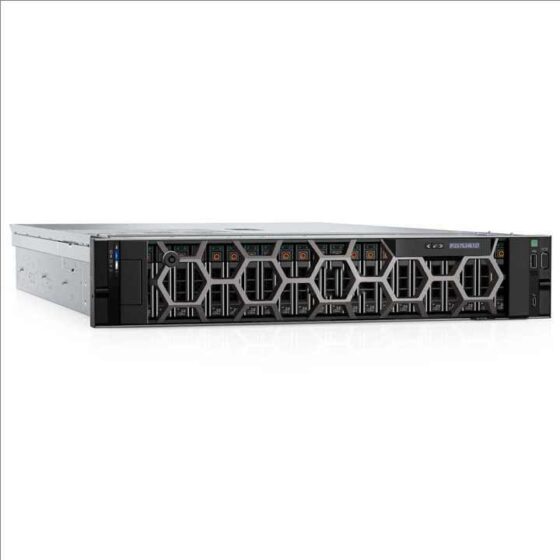
Dell Unity XT storage arrays are designed for high performance and a simplified multi-cloud journey, optimized for efficiency gains to streamline IT transformation and unlock the full potential of your data capital. Compared to previous Dell Unity models, the HFA and AFA Unity XT arrays offer up to 2x more memory, up to 50% more IOPS, and up to 50% more drives. These cost-effective storage systems feature dual active controllers and include a rich suite of all-inclusive enterprise-grade software. The Unity XT AFA guarantees a future-proof 3:1 data reduction ratio, while the Unity XT HFA is ideal for speed and low-latency workloads that don’t require an NVMe architecture.